Florida’s coastal environment can be hard on HVAC equipment. Outdoor AC condensers take the most exposure because they sit outside all year. In Cape Coral, salt-laden air can speed up corrosion, reduce efficiency, and shorten system life.
Salt particles settle on metal surfaces and mix with moisture. Over time, that buildup can damage coils, fins, electrical connections, and cabinet hardware. Understanding this risk helps you protect your system before corrosion causes a major breakdown.
Why Coastal Florida Is Hard on Air Conditioners
Southwest Florida creates a demanding setting for air conditioners. Heat, humidity, salty air, rain, and storms all affect outdoor equipment. Your AC also works through much of the year, so small problems can grow quickly.
- Salt particles in the air
- High humidity levels
- Long cooling seasons
- Rain and tropical storms
What Is Salt Air Corrosion?
Salt air corrosion happens when airborne salt settles on outdoor metal parts. When that salt mixes with moisture, it can speed up metal breakdown. This process can affect aluminum fins, copper tubing, steel panels, fasteners, and wiring connections.
In a coastal city like Cape Coral, this exposure can happen often. Wind, humidity, and rain can keep salt moving through the air. That constant contact makes regular AC maintenance especially important.
Why AC Condensers Are Especially Vulnerable
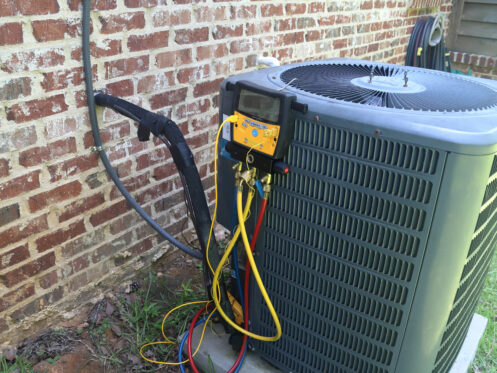
The outdoor condenser is one of the most exposed parts of your HVAC system. It has to sit outside so that it can release heat from your home. That means it encounters salt air, moisture, wind, rain, and debris every day.
- Outdoor metal cabinet panels
- Condenser coils and fins
- Electrical terminals and wiring
- Screws, bolts, and brackets
How Salt Air Corrosion Damages Your AC System
Salt air corrosion is more than a cosmetic issue. It can interfere with heat transfer, electrical reliability, and system efficiency. As the damage spreads, your AC may need longer cycles to cool your home.
Condenser Coil Deterioration
The condenser coil releases heat from the refrigerant into the outdoor air. Corrosion can damage the coil surface and the thin fins around it. When heat transfer drops, the system works harder to cool your home.
Damage to Electrical Components
Salt and moisture can also affect electrical parts inside the condenser. Corroded connections can cause weak contact, voltage problems, or sudden failures. These issues may affect the compressor, fan motor, or control components. Electrical corrosion may lead to issues like corroded connections, electrical shorts, and unexpected shutdowns.
Reduced System Efficiency
When coils and electrical parts struggle, the whole system can lose efficiency. Your AC may run longer to reach the thermostat setting. Longer cooling cycles can raise energy use and increase wear on major parts.
Signs Salty Air Corrosion Is Affecting Your AC
Early corrosion is easier to address than advanced damage. You may notice changes around the outdoor unit before the system fails. A professional inspection can confirm whether salty air is affecting your condenser.
- Rust on outdoor equipment
- White or green buildup
- Bent or crumbling fins
- Reduced cooling performance
- Rising energy costs
- Frequent AC repairs
Why Cape Coral AC Systems Often Wear Out Fast
Cape Coral homes are close to saltwater, canals, and humid coastal air. That exposure can age outdoor AC equipment faster than drier inland conditions. Tropical weather can also push salty moisture deeper into the system.
Year-round cooling demand adds another layer of stress. Many Florida systems run far more often than systems in northern climates. Longer runtime means more chances for corrosion, dirt, and wear to affect performance.
How to Protect Your Outdoor Condenser From Salty Air
You cannot remove salt from the coastal air, but you can reduce its impact. Regular maintenance helps keep buildup from sitting on coils, panels, and connections. Maintenance is one of the best ways to catch corrosion early.
- Regular coil cleaning through an AC maintenance plan
- Rinsing based on manufacturer guidance
- Clearing vegetation and debris
- Using approved protective coatings
- Scheduling annual HVAC inspections
When Corrosion Means Repair vs. Replacement
Minor corrosion may be repairable when it affects only a small area. A technician may clean the condenser unit, replace damaged hardware, or address electrical connections. The right choice depends on the unit’s age, condition, and repair history.
Replacement may make more sense when corrosion is widespread. Severe coil damage can limit efficiency even after repairs. Our team provides free replacement quotes to help you compare your options clearly.
Can You Buy AC Systems Designed for Coastal Environments?
Yes, many manufacturers offer AC systems made for coastal environments. These units may include features that help resist salty air corrosion. They are worth discussing during a new system consultation.
- Factory-applied coil coatings
- Corrosion-resistant materials
- Durable cabinet finishes
- Added hardware protection
These features do not eliminate maintenance needs. However, they can help your system handle Cape Coral’s coastal conditions. Our NATE-certified team can review these options during an AC installation consultation.
Protect Your AC From Florida’s Coastal Conditions With Ultimate Homes Cooling and Electrical
With regular maintenance, timely inspections, and the right equipment, you can protect your comfort from the hazards of the coastal climate. The veteran-owned team at Ultimate Homes Cooling and Electrical has served homeowners since 1999.
Our technicians can inspect your condenser, clean key components, and explain your repair or replacement options. We also offer maintenance agreements to help you stay ahead of coastal wear and tear.
Contact Ultimate Homes Cooling and Electrical today to schedule AC maintenance in Cape Coral, FL.
Frequently Asked Questions
Salt air corrosion can raise a lot of questions for Cape Coral homeowners. These answers explain how coastal conditions affect outdoor condensers and how to maintain them.
Yes, high levels of salt in the air can damage outdoor AC equipment. Salt particles settle on metal parts and mix with moisture. That combination can speed up corrosion on coils, fins, cabinets, and connections.
Coastal AC systems may wear out sooner than inland systems. Salty air, humidity, storms, and heavy use can shorten equipment life. Regular maintenance can help slow that wear.
You cannot fully prevent salt air corrosion near the coast. However, regular cleaning and inspections can slow the damage. Protective coatings and coastal-rated equipment may also help.
Many coastal systems need cleaning at least once a year. Homes close to saltwater may need more frequent service. A technician can recommend the right schedule for your location in Florida.
Common signs include rust, powdery buildup, and damaged fins. You may also notice weaker cooling or rising energy bills. Frequent repairs can also point to corrosion-related wear.
Yes, some AC systems are built with coastal conditions in mind. They may include coated coils, stronger cabinet finishes, and corrosion-resistant materials. These features can help protect the system from salt in the air.
