
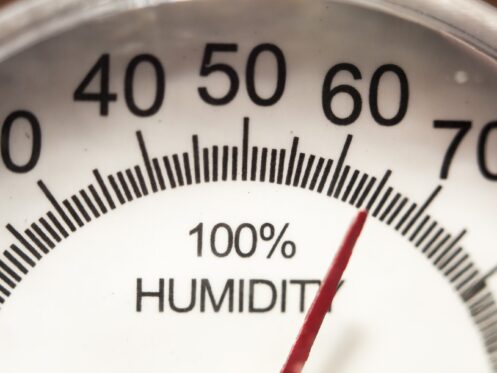
Cape Coral is beautiful, but there is a not-so-hidden fact about this tropical paradise. Southwest Florida is home to heavy, tropical air that seems to wrap around you like a warm, damp blanket. It’s part of living in the Sunshine State. While the lush palms and the vivid sunsets are stunning, the summer storms rolling in off the Gulf bring humidity. This moist air can be a challenge for anyone trying to keep a home cool.
When the air outside is thick with moisture, it doesn’t just make the walk to your mailbox sweaty. This changes how your air conditioner operates within your home. In Cape Coral, your air conditioner is constantly battling against water vapor. This affects your comfort, your energy bills, and the lifespan of your system. Here are a few things to know about how humidity affects your air conditioning.
The Climate of Cape Coral
The humidity level is the amount of moisture in the air. However, in Cape Coral, those amounts are on a whole different level. Florida summers are long and hot. Many times, the average highs stay in the 90s, accompanied by muggy days that can easily reach 70 to 80% relative humidity.
Even in cooler months, there is more humid air than in most of the country. That means your air conditioner is pulling double duty almost year-round. Warm air holds more moisture than cool air. So, when it’s 90 degrees outside, the air in your system is saturated. If your system is not sized and maintained correctly, you may still notice that your home feels sticky, even when the thermostat is set at a comfortable temperature.
What Does Your AC Do?
Most homeowners think of their air conditioning solely as a cooling machine, but it also works as a dehumidifier. As warm, moist air passes over the cold evaporator coil inside your unit, moisture condenses into liquid and drains away. This is how a properly functioning system cools the air and dries it at the same time.
But in Cape Coral’s climate, there’s more moisture. In turn, your unit can struggle to keep up. Instead of delivering cool, dry air, you might feel cool, damp air. That can feel warmer and less comfortable. That extra moisture also makes your AC work harder, leading to the next set of issues.
What High Humidity Does to Your Air Conditioner
Humidity makes your system less efficient. With more moisture in the air, your unit has to run longer to reach the same level of comfort. Those longer cooling cycles mean higher electricity usage.
Additionally, the constant runtime accelerates wear and tear. Compressors, blower motors, and coils are not designed to work nonstop without breaks. Excess moisture also allows rust and corrosion to build on internal components. In some cases, you may even see the evaporator coil freeze up if airflow is inadequate. Unfortunately, this leads to expensive service calls and downtime during the summer heat.
High humidity creates a breeding ground for mold and mildew. Warm air combined with moisture creates an ideal environment for unwanted growth inside your air handler, ductwork, and on your walls or furniture. That can aggravate allergies and respiratory issues. Along with that, it can be expensive to clean up.
Humidity drives up your bills. When the air feels sticky, most people instinctively lower the thermostat. That forces your AC to run longer throughout the day. However, if you don’t address the moisture, you’ll pay more but feel less comfortable.
Everything about Cape Coral’s environment makes this issue more pressing for your home. The salty sea air, high humidity, and constant cooling demand mean your unit rarely gets a break. Unlike in drier climates, an AC system in Florida works to provide both moisture and temperature control.
Is the Humidity High in Your Home?
Many times, you don’t need a gauge to know that your AC is not keeping up with the moisture. If you’re noticing any of the following, humidity is sneaking past your system’s defenses:
- Sticky indoor air, even though the thermostat says it’s cool
- Musty or damp odors drifting from vents, closets, or corners
- Condensation on windows or pipes
- Water pooling near the air handler
- Rising electric bills without any change in your habits
- Frequent cycling on and off as your system struggles to keep up
These are early warnings that your system may need professional attention before a minor issue becomes a major one.
Professional Solutions Make the Difference
If you notice that humidity is affecting your air conditioning system, it might be time to turn to the pros. You want to have a qualified technician inspect and service your system. A professional can clean or replace clogged filters, clear the condensate drain line, inspect the evaporator coil, and make sure refrigerant levels are at the right levels.
In some homes, especially those with older or undersized units, a technician might recommend adding dedicated humidity control equipment or upgrading to a system designed for high-humidity climates. For example, modern variable-speed systems run at lower speeds for longer periods. That allows them to remove more moisture from the air than older single-speed models.
Another option is a whole-home dehumidifier. This works alongside your air conditioner. Instead of relying on your air conditioner to dry the air, the dehumidifier takes on the moisture load. In turn, that leaves your AC system to focus on cooling. The result is lower indoor humidity, less strain on your air conditioner, and a home that feels consistently comfortable on the muggiest summer days.
Professionals handle all of these solutions. You won’t have to climb ladders, tinker with refrigerant, or worry about making things worse. In the hot and muggy Florida climate, it pays to let someone who knows these systems inside and out handle the adjustments.
The Benefits of Getting Humidity Under Control
Managing indoor humidity is important. This is about protecting your investment and your health. When your air conditioner is working right and the moisture is under control, you can see the difference everywhere.
Your home feels cooler at the same thermostat setting. Your energy bills drop because your system is not overworking. Your furniture, walls, and flooring are protected from warping or mold. Plus, your indoor air smells fresher and feels healthier to breathe.
Additionally, you can extend the life of your cooling system while making your home a more comfortable and pleasant place to live. A little attention to humidity control now can save you from expensive repairs and uncomfortable summers down the line.
High moisture levels can make your air conditioner work harder, wear out faster, and leave you feeling uncomfortable, no matter how low you set the thermostat. If you’re worried about the humidity in your Cape Coral home, reach out to Ultimate Homes Cooling and Electrical. We have spent decades helping homeowners stay cool, comfortable, and safe. Plus, we know how the local climate puts extra demands on your air conditioner. Reach out today to schedule an appointment with one of our experienced team members.
