
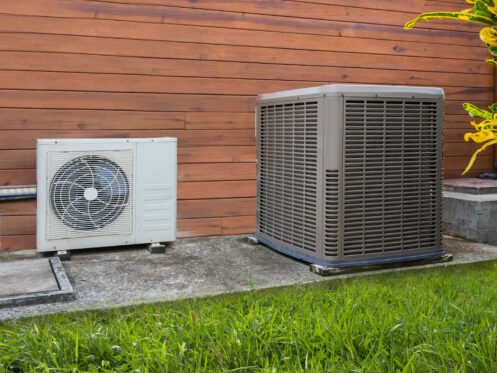
Living by the Florida coast has many perks, from the beautiful beaches to the warm, tropical weather. There are also some drawbacks in terms of how the heat, humidity and salty sea air affect your HVAC system. Air conditioners and heat pumps typically don’t last as long in Florida as they do in other parts of the country, largely because they need to run for much of the year and have to do so much work to keep the house sufficiently cool.
In Cape Coral and other coastal areas, the salty air can further shorten your HVAC system’s lifespan. We’ll explain why that is, how to lessen the impact salty air has on your AC or heat pump and the importance of choosing the right equipment for our climate.
How Does Salty Sea Air Affect an HVAC System?
The breezes coming in from the Gulf always pick up tiny particles of salt from the water and carry them inland. These salt particles then eventually settle on surfaces, such as outdoor HVAC units. Moist salt is highly corrosive to metal, and that leads to metal rusting much more quickly.
Salty air is especially problematic in Florida’s humid, rainy climate. Whenever it’s raining or overly humid outside, the salt particles absorb moisture and end up dissolving into a solution. This allows the salt to essentially start eating into metal, leading to pitting and corrosion. Pitting, scratches or cracks allow the salt solution to penetrate even further into the metal, accelerating the rate at which the metal rusts and corrodes.
On the Florida coast, humid, salty air contributes to all these HVAC issues:
- Increased corrosion on the condenser coil
- Higher chance of electrical issues
- Rusted frame and components
- Reduced efficiency
The condenser coil is what allows an AC or heat pump to release the heat it removed from within the house. If the coil is severely rusted and corroded, it causes several issues that reduce cooling performance, lower energy efficiency and increase energy bills.
Rust and oxidation on the metal insulate the coil, preventing it from releasing heat as effectively. This results in the refrigerant remaining warmer when it flows back inside to the evaporator coil. This reduces the amount of heat the refrigerant can capture and leads to the system cooling the house more slowly. The longer run times lead to increased wear and tear, which shortens the system’s lifespan.
The other concern is that the pitting from corrosion often eventually leads to tiny pinhole leaks forming in the condenser coil or the copper refrigerant lines. Even a small refrigerant leak will eventually impact how well the system can cool. When an HVAC system is low on refrigerant, it can’t absorb as much heat and has to run longer to cool the house.
Salty air also causes the frame of an HVAC appliance and its metal screws and fasteners to rust more quickly. This can cause screws and fasteners to come loose, resulting in components like the fan and compressor no longer being properly secured.
Another concern is the impact that corrosion has on electrical components. Corrosion greatly reduces the amount of electricity metal can conduct, which can lead to an electrical failure. It also increases electrical resistance, which can result in the compressor motor and fan motor drawing excess power. Not only does this cause the system to use more energy, but it can also make the motors wear out faster.
How to Lessen the Impact of Salty Air on Your HVAC System
There’s nothing you can do to fully eliminate the impact of salty sea air on your outdoor HVAC unit. However, you can lessen the impact by taking the following steps:
- Gently spray down the outdoor unit with water monthly.
- Schedule twice-yearly professional maintenance.
- Keep the area around the outdoor condenser clear of vegetation and debris.
- Cover the outdoor AC unit for the winter if possible.
Spraying down your air conditioner or heat pump with a hose to wash away salt particles at least once a month helps to lessen corrosion. All the sensitive components in an outdoor HVAC unit are fully waterproof, meaning you can safely wash the unit with water without any issues. However, you should never spray it with a pressure washer, as this can easily result in significant damage.
Having a professional technician service your HVAC system twice a year is essential for ensuring you get as much life out of it as possible. One of the most important parts of maintaining an AC or heat pump is fully cleaning the condenser coil. This is especially beneficial in our climate, as it helps to remove corrosion and oxidation from the coil.
You also need to regularly clean any debris from around the unit and keep nearby vegetation trimmed back at least 2 to 3 feet from it. This is to ensure that the unit has sufficient airflow, which helps prevent moisture buildup that leads to increased issues with rust and corrosion.
If you never run your AC during the winter months, it’s a good idea to cover the outdoor unit until spring. The cover creates a barrier that prevents salt particles in the air from settling on it. Always use a breathable cover specially designed for AC units. If you were to use a tarp, it would trap moisture inside and lead to increased rust and corrosion. However, you shouldn’t cover a heat pump during the winter since it will still run whenever you need to heat your house.
What to Look for When Choosing a New AC or Heat Pump in Cape Coral
Which AC or heat pump you install is a key factor in how well it can resist damage from the salty air and how long you can expect it to last. When choosing a new appliance, these are some of the most important factors to look for:
- Corrosion-resistant coatings
- Copper coil instead of aluminum
- Stainless-steel components
- Sealed electrical connections
- High energy-efficiency rating
HVAC systems designed for coastal climates typically have a corrosion-resistant coating on the condenser coil that helps protect it from the salty air. Units with a copper coil instead of an aluminum coil are also much better, as copper is far more resistant to corrosion. Stainless-steel screws and fasteners are almost entirely immune to rusting. Sealed electrical connections are also important for preventing electrical issues that can result from corrosion.
Units with higher energy-efficiency ratings aren’t more immune to damage from salt air, but they do tend to last longer. That’s simply because they cool more efficiently, so they don’t have to run as much or work as hard.
Get Help That You Can Trust
If you need help with your HVAC system in Cape Coral, Ultimate Homes Cooling and Electrical has you covered. We’re a trusted source for AC installation and can help you find the perfect option for your home. We install high-quality Rheem products, and our team can service and repair most other brands as well. If you want to ensure that your HVAC system works effectively and remains in good condition, signing up for one of our maintenance agreements is the way to go. As a plan member, you’ll receive two yearly tune-ups as well as a 15% parts and labor discount on all of our services.
To learn more about our maintenance plans or schedule an installation consultation or a service call, contact Ultimate Homes Cooling and Electrical today.
