
In a coastal place like Cape Coral, the air does not just feel sticky. It carries moisture and salt, which can cling to metal, settle into outdoor enclosures, and sneak into the small connection points your electrical system depends on every day. That exposure can show up as rusted hardware, corroded terminals, nuisance trips, dimming lights, and equipment that seems to wear out faster than it should. At Ultimate Homes Cooling and Electrical, in Cape Coral, FL, we help homeowners spot these coastal stress points early and keep their electrical systems safe and dependable.
Why Coastal Air Targets Electrical Metal First
Coastal air carries two troublemakers at once: moisture that keeps surfaces damp and salt that sticks around after the water evaporates. When that mix lands on metal parts, it sets the stage for corrosion. You see it on outdoor hose bibs and patio furniture, but the same process can happen on electrical parts you never think about, like the screws that hold a service panel cover, the bonding lugs inside an enclosure, or the terminals in an outdoor disconnect. Salt residue attracts moisture from the air, so a surface can stay slightly wet even when the day seems dry. That damp film speeds up oxidation and creates a gritty buildup that does not belong on electrical connections.
Corrosion is not just cosmetic. Electricity moves best through clean, tight metal contact. When corrosion forms at a connection, it adds resistance. Resistance creates heat, and heat stresses the connection even more. You may not see flames or smoke, yet you might notice warm cover plates, a faint electrical odor near a panel, or a breaker that trips even though you did not change your usage. A corroded connection can also cause a voltage drop, which shows up as lights that dim when a larger appliance turns on. Coastal air does not damage one part and stop. It keeps working on any exposed or lightly protected metal, so small problems can spread if nothing interrupts the process.
How Humidity Sneaks Into Boxes, Panels, and Outdoor Gear
Humidity does not need an open door to get inside. It rides air movement, and air finds pathways through tiny gaps. Outdoor electrical boxes face wind, rain, lawn irrigation, and daily heating and cooling cycles. Those cycles matter because warm air inside a box cools at night, and that cooling can lead to condensation. You can end up with a thin layer of moisture inside an enclosure even if rain never entered directly. Add salt to the mix, and you get damp residue that stays active on metal parts.
Indoor panels and junction boxes can also deal with moisture, especially in garages, laundry rooms, and utility spaces that run humid. If a garage door stays open often, humid air rolls in. If the air conditioner pulls moisture from indoor air, that moisture has to drain somewhere. When drain lines clog or pans overflow, water can end up in places it should never be, including near wiring runs. You may also experience moisture issues in attics when warm indoor air leaks upward and hits cooler surfaces. That can dampen insulation, creating conditions where electrical components age faster.
Moisture inside electrical spaces can hasten their aging process. Metal begins to corrode, plastic becomes brittle faster, and connections can loosen as materials expand and contract. You might not notice the early stage until something stops working or starts tripping. A licensed electrician can spot the early markers, like rust patterns, white crust on terminals, and staining inside enclosures, and then recommend safer upgrades that match a coastal environment.
Outdoor Circuits Take the Hardest Hit
Exterior outlets, landscape lighting, boat lift feeds, pool pumps, and air conditioning disconnects live in the harshest conditions. They face wind-driven rain, sprinkler spray, salty mist, and full sun that bakes plastic covers. Even if an outdoor box has a cover, it still needs the right rating and tight seals to keep moisture out. A cover that does not close fully, or a gasket that has flattened, can let humid air flow in and out all day. That daily exchange brings moisture and salt into contact with terminals and screws.
Outdoor outlets also tend to get more physical abuse. People plug in pressure washers, holiday lights, and tools, and they often leave cords dangling. That movement can loosen mounting screws and stress wiring connections. If corrosion has already started, a stressed connection can fail faster. You might notice an outlet that no longer holds a plug firmly or a cover that looks brittle. Those are signs that the components are aging under coastal exposure.
Lighting is another common trouble zone. Landscape lights often sit close to wet soil, and salt can build up on fixtures. If connections are not sealed correctly, moisture can enter and cause flickering or complete failure. A licensed electrician can evaluate outdoor circuits for safe grounding, proper protection devices, weather-rated enclosures, and corrosion-resistant materials that hold up better near the water. Outdoor work is not the place for a quick patch. The conditions demand parts and methods designed for constant humidity and salt exposure.
Inside the Electrical Panel: What Corrosion and Salt Residue Can Do
Your main panel is not exposed to rain, yet it can still face coastal humidity, especially if it sits in a garage or utility space with humid air and temperature swings. Corrosion inside a panel is serious because it affects the distribution of power to your entire home. Rust on the panel can, on its own, appear to be a cosmetic issue. Corrosion on lugs, bus bars, or breaker connections is different. Those parts need clean metal contact to carry current without creating heat.
Salt residue can show up as a whitish crust or powdery buildup. You might see staining around knockouts or along the bottom edge of the enclosure if moisture has collected there. Even small amounts of corrosion can change how breakers seat onto the bus. If a breaker connection becomes compromised, you can get intermittent power issues, flicker, or repeated trips that do not match your actual usage.
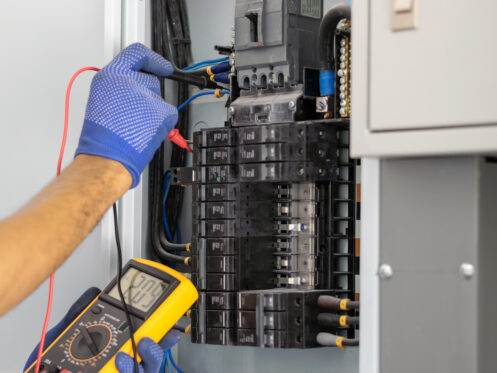
You should avoid opening a panel yourself. Panels contain energized parts even when the main breaker is off, and one slip can cause serious injury. A licensed electrician can open the enclosure safely, inspect for corrosion patterns, check torque on connections, evaluate grounding and bonding, and identify parts that need replacement. In coastal environments, a panel inspection can catch early corrosion before it becomes a safety hazard, especially if the home has older equipment or if the panel has been exposed to moisture from flooding, roof leaks, or garage humidity.
Protect Your Power in Coastal Weather
Coastal humidity and salt residue can cause slow damage that you may not notice until a breaker trips or an outdoor outlet stops working. We can help with electrical troubleshooting, panel repairs or upgrades, GFCI protection for wet areas, and safe replacement of corroded exterior components. If your home sits close to the water and your electrical system needs a closer look, call Ultimate Homes Cooling and Electrical today and schedule a professional inspection.
