Florida winters usually feel mild, which makes it more surprising when a sudden cold snap leaves your home feeling cooler than expected. Heat pumps are built for efficiency in warm climates, yet short bursts of cold can change how they behave and how your home feels from room to room. At Ultimate Homes Cooling and Electrical, in Cape Coral, FL, we help homeowners understand what is normal, what signals a problem, and how small adjustments can make a real difference during those chilly stretches.
Why Cold Snaps Feel Different With a Heat Pump
A heat pump does not make heat the way a furnace does. It moves heat from outside air into your home. During most of the winter, that works well because outdoor air still contains enough heat to transfer indoors. A cold snap changes the math. As the outdoor temperature drops, the system has less heat to grab, so it has to run longer to deliver the same indoor comfort.
You may notice the air coming from vents feels less hot than you expect. That can still be normal. Heat pumps often supply warm air that feels mild, then build comfort through longer, steadier cycles. A quick cold snap can also expose issues that stayed hidden during mild weather, like a weak airflow path, a dirty filter, or duct leakage. The system can still heat your home, yet it may need more run time to do it.
Another reason cold snaps stand out is how fast your house can lose heat when the wind picks up. Drafty windows, leaky attic access panels, and thin insulation can pull warmth out of your living space faster than the heat pump can replace it. That mismatch makes the system look like it is struggling when the real problem sits in the envelope of the home.
Airflow Issues That Make Heating Feel Weak
Airflow problems can make a healthy heat pump feel underpowered. Start with the simple pieces you can check safely. A clogged filter restricts return airflow, which limits how much warm air the system can deliver. You may feel weaker airflow at supply vents, longer run cycles, and rooms that never catch up.
Walk through the house and look at both supply vents and return grilles. Rugs, furniture, and curtains can block airflow more than you think, especially in smaller rooms. A return grille that is partially covered can starve the system for air. Supply vents that are closed can also create pressure issues that reduce delivery to other rooms.
Interior doors matter, too. If you close off bedrooms with supply vents but no dedicated return, air can get trapped and reduce circulation. You might feel that the room cools down while the hallway stays warmer. A cold snap can exaggerate this pattern because the system runs longer and pressure differences become more noticeable. If airflow feels uneven from room to room, that points to distribution issues, not just equipment performance.
Outdoor Unit Problems You Can Spot Without Touching Anything
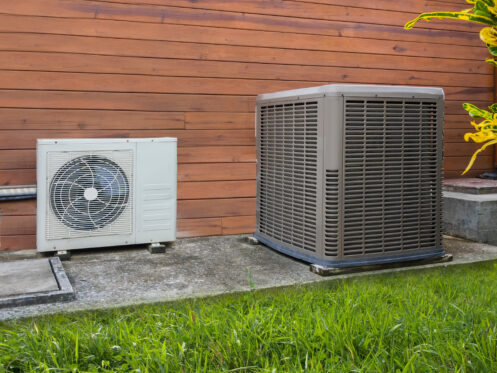
The outdoor unit needs clear airflow to pull heat from outside air. During cold snaps, leaves, mulch, and yard debris can block the coil surface and reduce performance. You do not need to disassemble anything. You can look around the unit and confirm the area stays clear and open. If you see the coil packed with debris, schedule service rather than trying to clean it with tools or high-pressure water.
Ice buildup is another visual clue. A light coating of frost that clears during defrost can be normal. Thick ice that covers the coil, the fan guard, or the base of the unit is not. That can indicate a defrost control issue, a sensor problem, restricted airflow, or drainage that lets water refreeze where it should not.
Pay attention to where water goes during defrost. The unit melts frost and has to shed that water. If water pools and refreezes at the base, it can create an ice ring that interferes with airflow and fan operation. Wind exposure can add to this. Strong wind can strip heat away from the unit and can push cold air through the coil faster than the system can manage, which can increase run time and reduce comfort indoors.
Duct Leaks and Insulation Gaps That Show Up on the Coldest Days
A cold snap can turn small comfort issues into obvious ones. Leaky ducts can dump heated air into an attic, crawlspace, or garage instead of delivering it to your living space. You might notice one side of the home stays cooler, or certain rooms never feel comfortable even when the system runs for a long stretch.
Leaks can also pull unconditioned air into the system. If the return duct has gaps, the system can draw in dusty, cold air from outside the living space, which lowers supply air temperature and can dirty the filter faster. The system then works harder to heat air that starts colder than it should.
Insulation gaps create a similar effect. An attic hatch with no weatherstripping, a recessed light that leaks air into the attic, or a fireplace damper that does not seal can all drain warmth quickly. These problems often feel like a heat pump failure because the thermostat calls for heat, and the system runs, yet the home still feels chilly. A technician can test duct leakage and airflow, then help you decide what improvements will give the biggest comfort gain.
When It Stops Being Normal and What a Diagnostic Should Cover
Long run cycles during a cold snap can be normal. Running nonstop for hours with little or no improvement inside is different. Pay attention to warning signs that suggest the system needs professional help. These include burning smells, repeated breaker trips, grinding noises, or air that stays cool even after the system runs for a long time.
Low refrigerant can also cause poor heating and a long run time. You should not handle refrigerant or try to check the charge yourself. A technician can measure system pressures, check for leaks, and confirm that the outdoor coil and indoor coil are transferring heat as designed. Restricted coils, failing blower motors, and damaged capacitors can also show up during cold snaps because the system operates more consistently, and any weakness becomes obvious.
A proper diagnostic should look at airflow, duct pressure, coil condition, thermostat settings, and backup heat staging. It should also include a safety review of electrical connections and heat strips, if your system uses them. Preventative maintenance ahead of winter helps reduce breakdowns and can improve efficiency, especially if your system has not been serviced in a while. When the weather turns cold fast, a tuned system handles the shift with fewer surprises.
Staying Comfortable When Florida Weather Shifts
Cold snaps may be brief, but they can reveal how well your heat pump and duct system handle changing conditions. If your home struggles to warm evenly or your system runs longer than expected, a professional inspection can help identify airflow issues, thermostat calibration problems, or wear in the outdoor unit. Along with heat pump service, Ultimate Homes Cooling and Electrical also provides a full range of heatinig services including heating repair, airflow evaluations, and thermostat upgrades that help your home stay comfortable across every season. Schedule a service visit with Ultimate Homes Cooling and Electrical and take the next step toward steadier comfort the next time Florida’s temperatures dip.
