
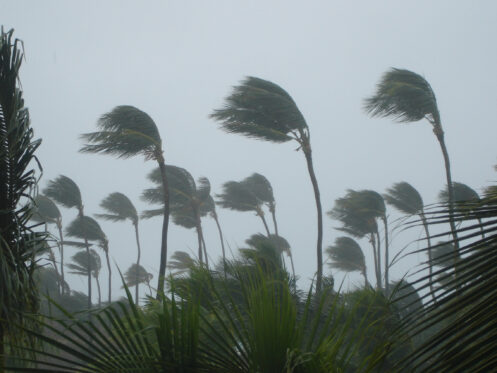
It’s important to start preparing for a storm in Cape Coral, FL, before one is on the way. In fact, spring is the time to make preparations before the storm season itself arrives in June. This includes making sure that your electrical system is ready. Electrical systems can be damaged during a tropical storm or hurricane. When your system is already vulnerable, the risk of this damage, including fires, increases. In addition, there are steps that you can take to further protect an electrical system that’s in good condition. If any of the items below are true about your home, you might be underprepared for the season ahead.
Burning Smell
If there’s an unexplained burning smell in your home, you have a problem on your hands. The problem could be with an outlet, your electrical panel, an appliance, or your wiring. It’s important to have a professional check this out since it could cause a fire, with or without a storm.
Flickering or Dimming Light
Flickering or dimming lights can be more than an annoyance. They can also be a sign of loose or damaged wiring. Check that your bulbs are tight in their sockets and that you have the right ones for your lights. If your lights continue to dim or flicker despite checking and changing bulbs, you should have an electrician look at them.
Buzzing or Crackling Sounds
Like burning smells and flickering lights, this can be another sign that something is wrong with your wiring. Keep in mind that a low humming noise from your electrical panel is normal. However, if the humming gets louder or turns into more of a buzz or if other sounds are out of the ordinary, there may be an issue with your wiring.
Warm or Scorched Electrical Outlets
If your outlets feel warm to the touch or look discolored or scorched, you should contact an electrician. Another potential sign of a problem is sparks coming from an outlet. Don’t use outlets that have any of these issues until they have been repaired.
Frequent Circuit Breaker Issues
If you can’t use your microwave and your hair dryer at the same time, you might just need to plug your microwave into a different outlet. However, if you’re having frequent circuit breaker issues, it’s time to reach out to a professional. This might include blown or tripped fuses. Another sign of potential circuit breaker problems is appliances or electronics turning off unexpectedly or showing other signs of inconsistent power. This could simply be a problem with overloaded circuits, and it might be possible to solve it by redistributing loads. However, it could also signal other, more serious problems, including an electrical panel that needs repair or replacement.
Old House or Electrical System
If you live in an older home with an older electrical system, it may be more vulnerable to the electricity problems that hurricane season causes. If your home is more than a few decades old or you don’t know how old your electrical system is, it’s a good idea to schedule an inspection ahead of storm season. You can take care of any major and minor problems so that it’s in the best condition it can be before a hurricane.
No Recent Electrical Inspection
Even if your house isn’t particularly old and you haven’t noticed any issues, if it’s been a few years since your last electrical inspection, this is a good time to schedule one. By the time there are signs that you have an electrical issue, there may already be some danger or damage. An inspection can make sure that everything is in good shape, but it can also help you better prepare for storm season.
For example, an electrician can identify whether there are areas of your home that are particularly prone to water getting in or even flooding. You may want to consider moving your electrical panel, outlets, and wiring from those areas. In addition, a professional can take a look at your fixtures and outlets outside. These need to be waterproof and properly grounded. An electrician can ensure that they are safe or make recommendations for safety.
No Surge Protection
In a hurricane-prone area, some form of surge protection isn’t a luxury. It’s a necessity. During a severe storm, there are several different things that can cause voltage spikes, including power lines going down and lightning. Restoration can produce a surge as well. These surges can be damaging in the short and long run. Over time, they will wear out your appliances and electronics even if you don’t notice any serious problems at the time of the surge. However, a single surge can also destroy computers, smart TVs, and other electronic equipment and appliances. In addition, it can damage your entire electrical system or spark a fire in your wiring.
You may have some plug-in surge protectors, and these can provide some level of protection for individual devices. However, plug-in protectors are best paired with a whole-house surge protector. A whole-house surge protector can protect your entire electrical system as well as any devices that are plugged into it. Your point-of-use surge protectors can provide an additional level of insurance against any additional voltage or small internal spikes.
No Backup Power
A severe storm can mean that power is out for days or even weeks. If you live in a hurricane-prone area, you should think seriously about having some sort of generator. A portable generator is cheaper, but it’s also limited in how much it can power and for how long. It’s not meant to be run continuously. Another drawback of a portable generator is needing space for fuel storage. It also doesn’t turn on automatically. However, if you’re on a budget and your household can go some days with minimal power, this might be the right option for you.
Installing a whole-house generator will cost you more, but it ensures that you can power your whole house for weeks if necessary. If you have people in your household who are dependent on medical devices, you work or attend classes from home, or you simply don’t want to face days with no power, consider this option. You may also need a whole-house generator if you get water from a well, since your pump won’t run and you won’t have water without electricity. Another advantage of a whole-house generator is that it turns on automatically, so if you’re away when the storm hits, there is no interruption in power.
When you’re concerned about whether your electrical system is ready for Cape Coral’s hurricane season, you can count on Ultimate Homes Cooling and Electrical. We’re a family- and veteran-owned business, and the safety of our community is important to us. We can do electrical repairs, perform inspections, and make recommendations to help you better prepare for storm season. We can also install generators or whole-house surge protectors. For all your electrical needs ahead of storm season, call Ultimate Homes Cooling and Electrical to schedule service.
